
About us
Every woman deserves a starting point of her own
Waiting for an asylum decision, or settling in a new country, can be isolating. Moving together outdoors is free, good for body and mind, and a woman’s own choice. Our groups are open to all women who are refugees or seeking asylum.

Our story
Why we started
Our founder, Anna Dean, spent years working overseas in countries affected by conflict, and was always made welcome. Back in the United Kingdom after seven years away, she found it hard to fit in, even in her own country.
In 2017 she volunteered as an interpreter in a safe space for women and girls in Greece. Back in London, she has mentored women with Routes Collective, which works with people seeking asylum and refugees.
Running was something free that she could choose for herself. It got her outside, cleared her head and burned off nervous energy. She would not call herself a runner, and nobody needs to be one. In 2026 we registered The Start Line so that more women could have that choice.

The need
What gets in the way
Organisations that work with women who are refugees or seeking asylum told us what was missing: something free, local and women-only, that never asks a woman to tell her story. That is what our groups offer.

A long wait
At the end of June 2026, 40,168 people were still waiting for the Home Office to make a first decision on their claim (Home Office, 2026). Most are not allowed to work while they wait, so the days can feel very long.

Very little money
For people seeking asylum, support is £49.18 a week, or £9.95 where meals are provided (GOV.UK, 2026). Bus fares and trainers can be well out of reach, so we keep everything free and cover the cost of travel.

Isolation
Many women are far from friends, work and community life. Free groups just for women, close to home, are still rare in London. Ours bring the same women together each week, so real friendships can grow.
The evidence
Why movement helps
A 2021 review of 27 studies found that physical activity can reduce psychological symptoms among refugees, people seeking asylum and other migrants. We built each of our programmes on that evidence.
31.5%
of refugees and people seeking asylum live with post-traumatic stress disorder, a 2020 review of the evidence found
34%
among women in that same review of studies (both figures from Blackmore et al., PLOS Medicine, 2020)

Our values
What moves us
Values only count when they show up in what we do, not as words on a wall. These four shape how we run every session, how we treat every woman who joins, and which partners we choose to work with.

Dignity first
Walk or run, chat or keep quiet: every woman makes her own choices, and we work alongside her, never for her.

Safety always
Being seen can carry real risk. We protect privacy, never ask about asylum cases and never share a story without permission.
All women welcome
Whatever her fitness, faith or language, she belongs. If any woman feels left out, we have not designed the group well enough.

Hope in practice
Hope is built from small, regular moments: turning up each week, moving together, and sharing a cup of tea and a laugh after.
Our board
Our trustees
We are recruiting more trustees to join our board, and especially women with lived experience of being a refugee or seeking asylum. Being a trustee is voluntary, which means that the role is open to women at any stage.
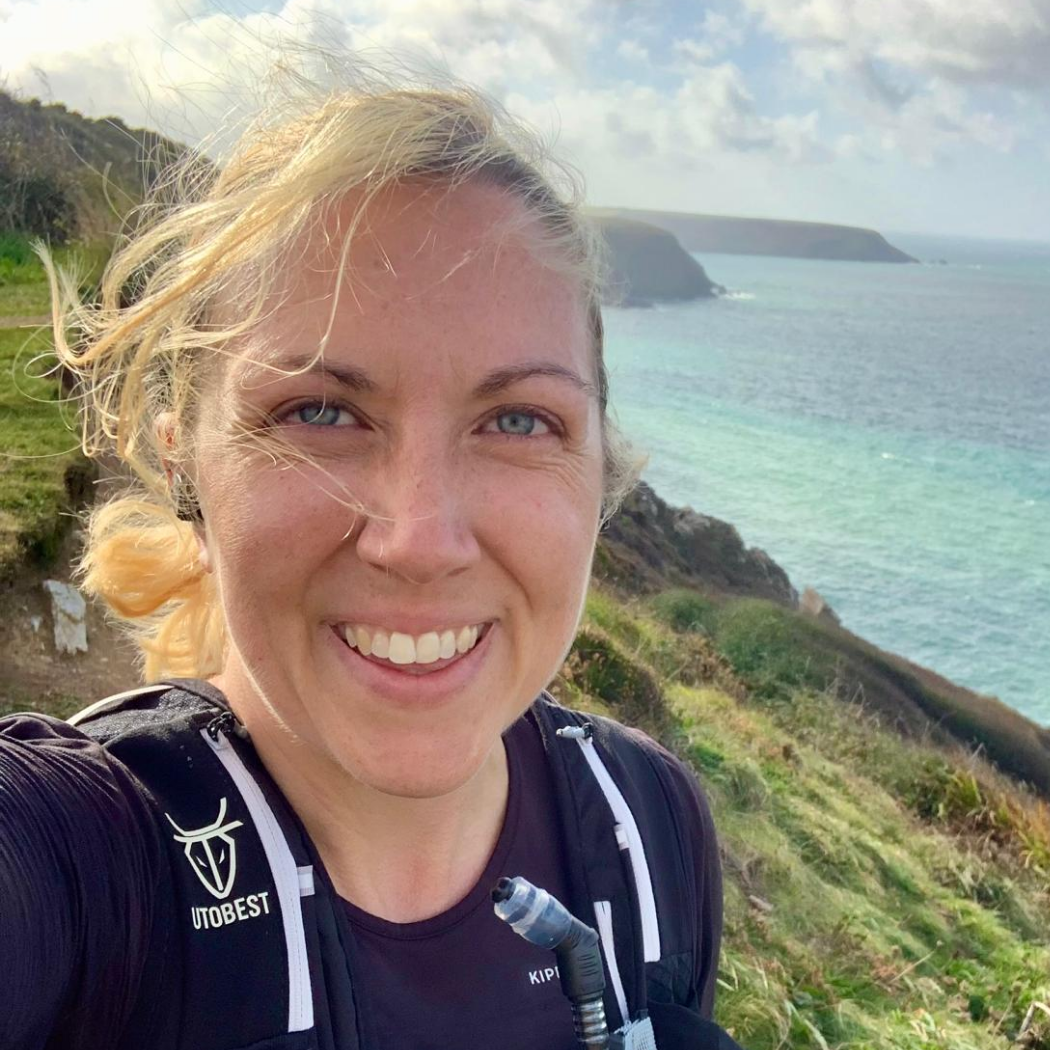
Anna Dean
Founder and Chair
Anna founded The Start Line and chairs its board. She has spent most of her career working internationally, much of it overseas in countries affected by conflict, leading programmes and running operations. She also sits on the board of ShelterBox as a trustee and non-executive director, and has mentored women in London through Routes Collective. She is our Deputy Safeguarding Lead.

James Walker
Founding Trustee and Deputy Chair
James is an independent board chair, non-executive director and a Chartered Internal Auditor who has led internal audit teams at Credit Suisse and UBS. A founding trustee, he is our Deputy Chair, leading on our governance and on our finance. He brings board-level experience from across the charity sector, having served many organisations alongside his professional career. Currently, he is a trustee and non-executive director of Missing People, a non-executive director in the National Health Service (NHS) at Avon and Wiltshire Mental Health Partnership NHS Trust, and the Chair of Nature Impact.

Nadine Corscadden
Trustee and Designated Safeguarding Lead
Nadine is our Designated Safeguarding Lead. She has worked in safeguarding professionally and as a volunteer, and brings that experience to our board. She has over twenty years with the Foreign, Commonwealth and Development Office, with overseas postings, and much of her work outside crisis response has been programme and project management. She is also a Pilates instructor who believes in everyone’s right to health.
Doing it properly
How the magic happens
Good sessions rest on careful groundwork. The Start Line is a registered charity in England and Wales, number 1216946, and this is how we keep the women who join us, and the money people give us, safe.
Safeguarding
Our Designated Safeguarding Lead and her deputy both sit on our board. Everyone in a session role is checked by the Disclosure and Barring Service (DBS) before their first session.
Clear policies
Our board adopted twenty-three policies in July 2026, from safeguarding and data protection to photography and consent, and reviews them on a rolling cycle.
Training
After our first programme, the Trauma Foundation South West will train all our trustees in trauma-informed practice. Every session also has a trained first aider on hand.
Registered and insured
As a registered charity we follow Charity Commission rules and report every year. We hold public liability, professional indemnity and employers’ liability insurance.
Measuring change
Each woman is invited to fill in a short wellbeing questionnaire, with one question on loneliness, when she starts and finishes, and after six and twelve months.
NCVO members
We are members of NCVO, the National Council for Voluntary Organisations, which gives us guidance, training and good practice from all across the charity sector.
Inclusion
Our Diversity, Equity and Inclusion policy shapes how we work. No fitness is needed to join, and we want women who have been refugees or sought asylum on our board.
Language
No English is needed to join us. Tell us which language you speak when you first sign up, and we will try hard to find an interpreter who can come to your sessions with you.
Led by women
Only women take part in our sessions, and only women lead them, so every woman can feel at ease and relaxed, whatever she wears and however she likes to move.
Our plan
Growing only as fast as we can do it well
Quality and safety come before size. We keep each group small, to around ten women, and we only open a new group when our safeguarding, the volunteers it needs and the funding to run it are all in place and ready.
The idea
Research and planning with organisations that work with women every day, so that the programme fits the women it is for and the partners who refer them. These organisations said women needed something free, local and women-only.
Registered
The Start Line becomes a registered charity in England and Wales, with charity number 1216946, so anyone can look us up on the Charity Commission’s public register. From then on we report to the Charity Commission every year and follow its rules.
First programme
Our first group of around ten women starts its six weeks, with travel paid, a welcome pack for each woman and a session every week in a London park. Only women take part and only women lead, and every session has a trained first aider on hand.
More groups
More programmes, weekly runs for women who have finished their six weeks, and the first results from the wellbeing survey each woman is invited to fill in when she starts and finishes. We will publish what we find, and we will never name anyone.
Across London
A funded programme across London, then a model that other charities and community groups can pick up and use with the women in their own areas. We will still grow only when we can do it well, because quality and safety come before size.
Our funders
Thanks for running with us
Our first programmes are made possible by The National Lottery Community Fund, Sport England and Benesys. If your organisation would like to fund more groups like these, we would love to hear from you.


Good to know
Questions about us
What people most often want to know about who we are, who funds us and how we do our work. For anything else, write to us through the contact form.
Is The Start Line a registered charity, and who runs it?
Yes. The Start Line is a charitable incorporated organisation registered in England and Wales, charity number 1216946. We are also registered with the Fundraising Regulator. Our three trustees run it: Anna Dean (Founder and Chair), James (Founding Trustee and Deputy Chair) and Nadine Corscadden (Trustee and Designated Safeguarding Lead).
How are you funded in the long term?
The funders named on this page pay for our first groups and for the training that goes with them. We are applying to more trusts and foundations, and gifts from people and companies will keep every place free as we open new groups.
Why walking and running?
Walking and running need no gym, no fee and no experience, so almost any woman can start, at her own pace. The research we build on is a 2021 review in the journal Psychology of Sport and Exercise. Each woman chooses how much she does each week, and we are not a clinical service.
Can I become a trustee?
Yes. Use the “Become a trustee” button on this page to tell us a little about yourself, and a trustee will reply within five working days. Alongside lived experience, we would also like to hear from people with skills in fundraising, safeguarding or marketing.
How will you know if it works?
The wellbeing questionnaire is based on the Short Warwick-Edinburgh Mental Wellbeing Scale, a standard measure of wellbeing. We also keep a record of who comes each week and ask each woman what is working for her. We will publish the results without ever naming anyone.
Keep the groups going
Each new group needs women on the day, and money for travel, kit and training. Volunteer with us or give what you can, and the next group of around ten women can begin.